Airport Transfer Guides

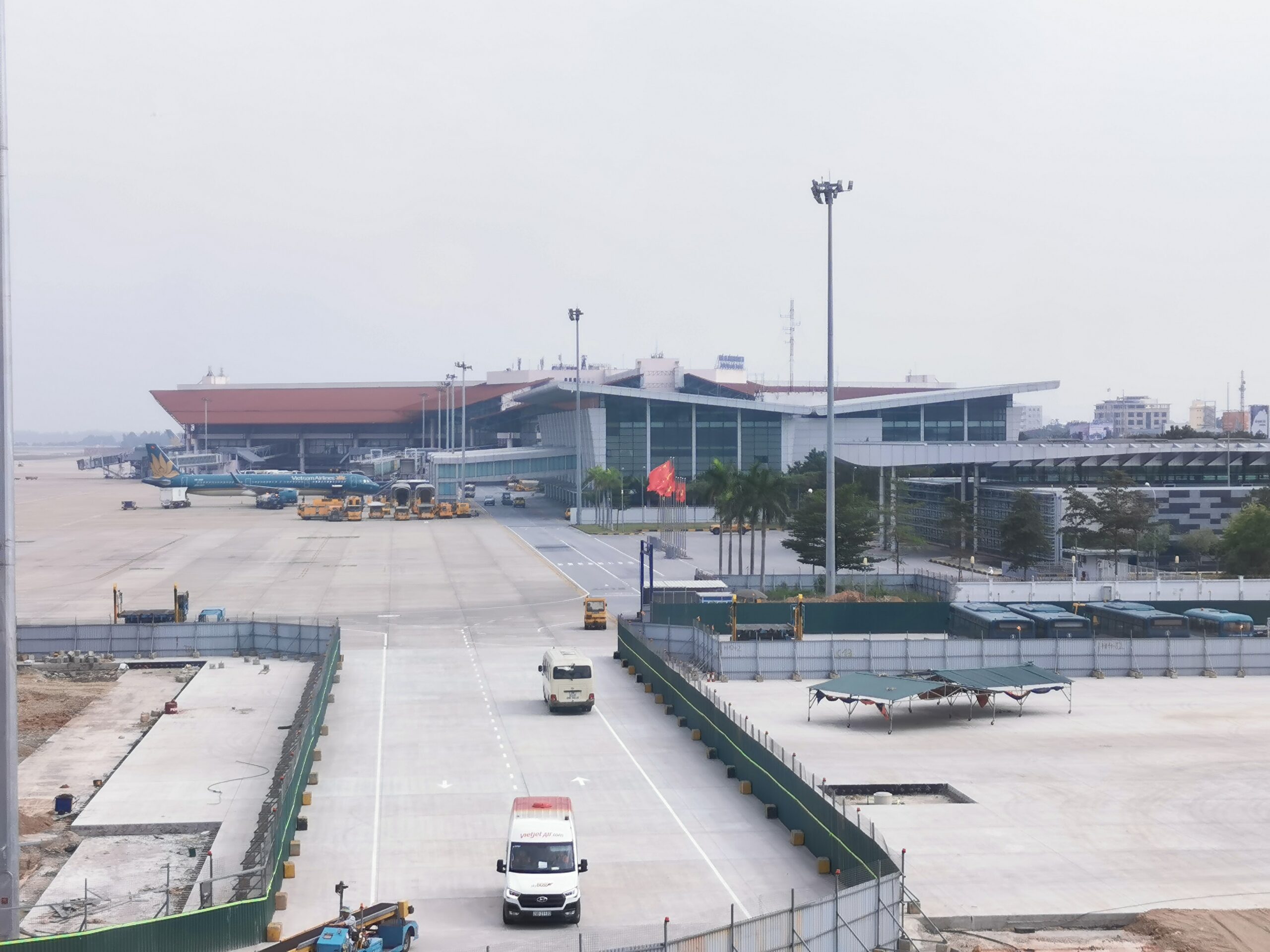
HAN — Noi Bai International Airport (Hanoi) terminal

Hanoi Airport to Ninh Binh Transfer: Trang An Access, Timing and Prices

A Hanoi airport to Ninh Binh transfer takes you about 120 kilometres south of the capital to the limestone landscape that UNESCO inscribed as the Trang An Landscape Complex in 2014. A growing number of visitors now skip Hanoi entirely on arrival and head straight there. This guide explains the route, realistic timing, which part of Ninh Binh you are actually going to, and the current vehicle rates.

Where you are actually going

Ninh Binh is a province, and visitors use the name loosely for several distinct places that are near each other but not the same address. Getting this right at booking saves confusion on arrival.

Trang An itself is the boat-tour area with the interconnected caves and karst peaks, and it is the main UNESCO site. Tam Coc, sometimes called the inland Ha Long Bay, is a separate boat route a few kilometres away along the Ngo Dong river. Bai Dinh is a large modern pagoda complex northwest of both. Hoa Lu, the tenth-century capital of Vietnam, sits between them. Ninh Binh city itself is the provincial capital, where many hotels and the railway station are located.

These are all within roughly fifteen kilometres of each other, but a driver needs a specific destination. Tell us your hotel name and address rather than just Ninh Binh.

The route south

The drive leaves Noi Bai, crosses the Red River, and skirts Hanoi rather than passing through the centre. From there it joins the Phap Van–Cau Gie Expressway heading south, then continues on the Cao Bo–Mai Son section toward Ninh Binh province.

This is a genuinely comfortable drive by regional standards. The great majority of the distance is on controlled-access expressway with a consistent surface. The scenery is flat delta farmland for most of the way, and then the limestone karsts appear on the horizon in the final twenty minutes, which is a striking arrival.

Timing

Two to two and a half hours is realistic door to door in normal conditions.

The variable is the Hanoi ring road section near the start. If you land during morning or evening peak, that stretch adds time before you reach the open expressway. Once on the expressway the journey is predictable, which is one of the reasons this route holds its schedule better than mountain routes of similar length.

Arriving in the afternoon works well for a first night in Ninh Binh. The boat tours at Trang An and Tam Coc operate during daylight and stop taking passengers in the late afternoon, so an evening arrival means starting properly the next morning.

Vehicles and live rates

These rates read directly from our transfer-rate source when the page loads.

Noi Bai Airport (HAN) to Ninh Binh — private transfer rates by vehicle
Vehicle Passengers Price (USD) Price (VND)
MICRO Sedan Up to 2 passengers $60 1.560.000₫
MINIVAN Minivan Up to 4 passengers $70 1.820.000₫
MINIBUS 16S Ford Transit Up to 7 passengers $80 2.080.000₫
MINIBUS 16S+ Hyundai Solati Up to 9 passengers $85 2.210.000₫
MINIBUS 18S Ford Premium+ Up to 11 passengers $90 2.340.000₫
MIDI COACH 29S Hyundai/Thaco Up to 20 passengers $90 2.340.000₫
MIDI COACH 34S Hyundai/Thaco Up to 30 passengers $130 3.380.000₫
COACH 45S Hyundai/Thaco Up to 40 passengers $180 4.680.000₫

Prices are per vehicle, not per passenger. VND shown at 26.000 per 1 USD.

Two hours is short enough that the smaller vehicle classes remain comfortable for their stated passenger count. The usual caveat about luggage applies: four passengers with four large cases need more space than four passengers with hand baggage.

Ninh Binh attracts a fair number of small tour groups, and for eight to twelve people the mid-size classes usually work out more economical than several cars, with the added benefit of everyone arriving together.

Why some visitors go straight from the airport

The conventional itinerary spends the first night in Hanoi and travels to Ninh Binh the following day. Going directly has become more popular for a practical reason: Noi Bai sits north of Hanoi, and Ninh Binh sits south, so travelling into the city and out again means crossing the capital twice.

Going directly avoids that entirely, and it means your first morning in Vietnam is spent among the karsts rather than in transit. It works particularly well for visitors on shorter trips who have already decided Hanoi is not their priority.

The trade-off is arriving after a long flight and then sitting in a vehicle for two more hours. If your flight lands late at night, a night in Hanoi first is the kinder option.

The train and bus alternatives

The north–south railway passes through Ninh Binh, and trains from Hanoi take about two and a half hours. As with Sapa, the difficulty is that trains depart from Hanoi railway station, not the airport, so you would need to reach the station first and match a departure time.

Limousine vans run from Hanoi to Ninh Binh frequently and cheaply. They pick up at fixed points in the city rather than at the airport, and they fill their seats before departing.

Neither is a bad option once you are in Hanoi. Neither is a direct airport connection, which is where a private transfer has the clear advantage.

Practical notes

Many Ninh Binh accommodations are homestays and small guesthouses down rural lanes rather than on main roads. Some of those lanes are narrow. Give us the exact address and, if you have it, a landmark or a phone number for the property.

The karst area has limited street lighting outside the towns. Evening arrivals to a rural homestay are easier if the property knows roughly when to expect you.

Boat tours at both Trang An and Tam Coc are rowed, take a couple of hours, and offer no shade beyond a conical hat. Sun protection is worth having in your day bag rather than in a checked case, particularly between April and September.

Frequently asked questions

How do I get from Hanoi airport to Ninh Binh?

By road, skirting Hanoi and heading south on the Phap Van–Cau Gie Expressway. A private transfer collects you at the terminal and drives directly to your Ninh Binh accommodation.

How far is Ninh Binh from Hanoi airport?

Approximately 120 kilometres, most of it on expressway.

How long does the transfer take?

Two to two and a half hours in normal conditions. The Hanoi ring road section at the start is the main variable during peak hours.

Should I go straight from the airport or stay in Hanoi first?

Going directly avoids crossing Hanoi twice, since the airport is north of the city and Ninh Binh is south. If your flight lands late at night, a night in Hanoi first is usually more comfortable.

What is the difference between Trang An, Tam Coc and Ninh Binh city?

Trang An is the main UNESCO boat-tour area, Tam Coc is a separate boat route nearby, and Ninh Binh city is the provincial capital where many hotels are. They are close together but are different destinations, so give your driver a specific address.

Can a large vehicle reach my homestay?

Often, but some rural lanes are narrow. Provide the exact address when booking and we will confirm access or arrange the nearest practical drop-off.

Other routes from Noi Bai Airport

If you are combining Ninh Binh with the coast, our Hanoi airport to Ha Long Bay transfer guide covers the route east to the harbour and cruise terminals.

Heading into the capital first? The Hanoi airport to city centre transfer guide explains the bridge route, timing by hour and Old Quarter access.

Send your flight number and accommodation address and we will confirm your vehicle and meeting point.

Read More...
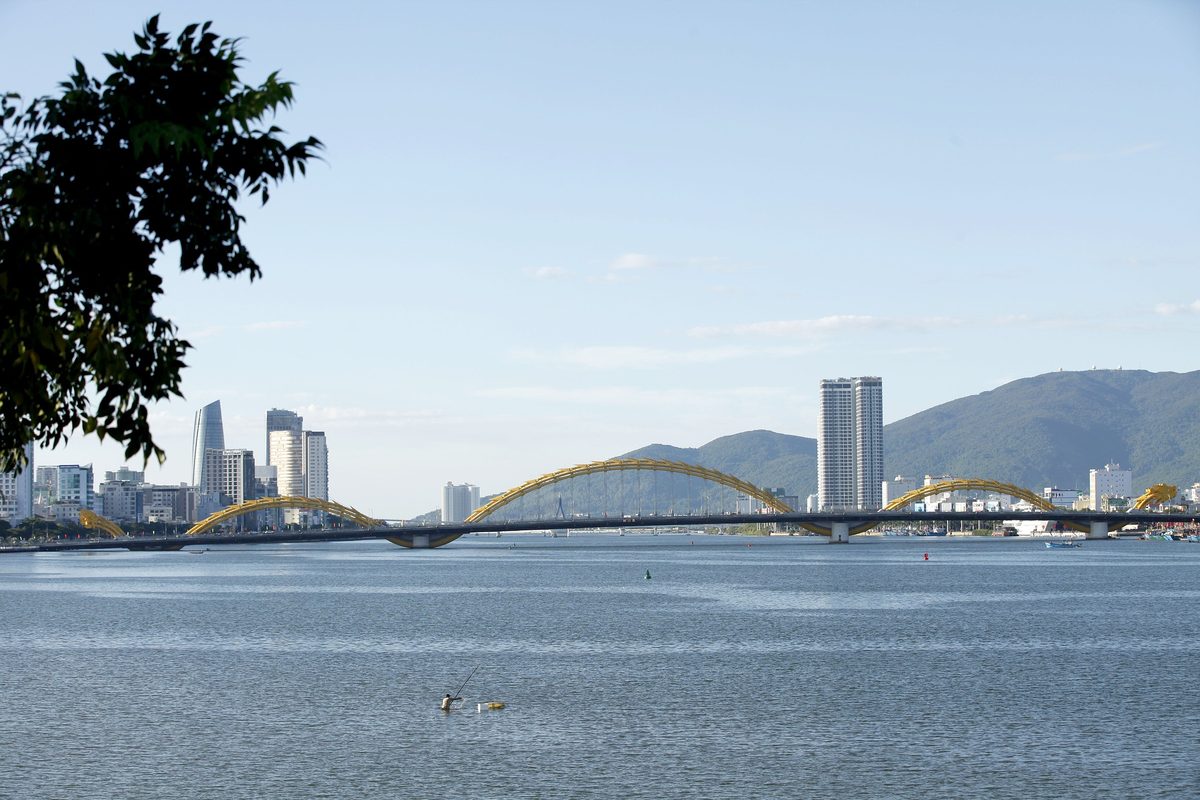
Dragon Bridge lit up at night over the Han River in Da Nang

Da Nang to Phong Nha: Road Route, Timing and Private Transfer Prices

Phong Nha sits a long way north of the coast most visitors land on, and that single fact shapes every decision about getting there. A da nang to phong nha trip is not an airport hop. It is a genuine cross-province drive through the narrowest part of Vietnam, and the options split cleanly between cheap-and-slow and direct-and-comfortable.

This guide covers the road itself, how long it honestly takes, what the alternatives give up, and what a private vehicle costs on this route right now.

The road north in plain terms

The drive leaves Da Nang heading north along the coast, passes through the Hai Van tunnel rather than climbing the old pass, then continues past Hue and on into Quang Binh province. The final stretch turns inland towards Son Trach, the village that serves as the base for the cave systems.

Almost all of it runs on Highway 1A. This is the country’s main north-south artery, so the surface is decent and the route is straightforward, but it is also busy with freight. Long-haul trucks set the pace on several stretches, and a driver who knows the road will pick overtaking spots rather than fight it the whole way.

Two things about this drive surprise people. First, it is genuinely long — this is a half-day commitment in each direction, not a morning excursion. Second, the scenery earns its reputation, particularly the coastal section before Hue and the river valleys further north. Passengers who expected a dull motorway transfer often end up asking to stop for photographs.

How long the drive really takes

Plan on roughly five to six hours of driving time in normal conditions. That figure assumes a direct run with one short comfort stop and no significant weather.

Several factors push it longer. Rain during the autumn months slows the inland section noticeably. Truck traffic around the industrial areas north of Hue can add half an hour. And any group that wants to break the journey at Hue — which many do, since it falls almost exactly halfway — should budget the sightseeing time on top.

Because of the distance, most travellers treat this as one leg of a longer itinerary rather than a return day trip. A common pattern is airport to Phong Nha, two nights at the caves, then onward north to Hanoi or back south with a stop in Hue. Trying to see the caves and return to Da Nang in a single day means twelve hours in a vehicle for a few hours underground, which very few people enjoy.

Vehicles and live rates for the da nang to phong nha run

Because this is a long-distance route, vehicle choice matters more than it does on a short airport hop. Legroom and suspension that were merely nice on a thirty-minute drive become the difference between arriving fresh and arriving stiff.

Current private rates for this route, straight from the live price list:

Da Nang airport to Phong Nha — private vehicle rates
Vehicle Passengers Price (USD) Price (VND)
MICRO Sedan Up to 2 passengers $140 3.640.000₫
MINIVAN Minivan Up to 4 passengers $150 3.900.000₫
MINIBUS 16S Ford Transit Up to 7 passengers $160 4.160.000₫
MINIBUS 16S+ Hyundai Solati Up to 9 passengers $165 4.290.000₫
MINIBUS 18S Ford Premium+ Up to 11 passengers $170 4.420.000₫
MIDI COACH 29S Hyundai/Thaco Up to 20 passengers $200 5.200.000₫
MIDI COACH 34S Hyundai/Thaco Up to 30 passengers $240 6.240.000₫
COACH 45S Hyundai/Thaco Up to 40 passengers $290 7.540.000₫

Prices are per vehicle, not per passenger. VND shown at 26.000 per 1 USD.

Every option above is a private booking. The vehicle carries only your party, the driver waits at arrivals with a name board, and the price covers the whole vehicle rather than a per-seat fare. Across the fleet on this route the vehicles carry 2 to 40 passengers, so groups travelling with dive gear or caving kit should mention luggage volume when booking rather than counting seats alone.

For a full breakdown of each vehicle class with photographs and capacities, see the vehicle and price page.

How this compares with the bus and the train

Search suggestions for this route are dominated by bus and train queries, so it is worth being straight about what each one actually involves.

The sleeper bus is the budget standard. It runs overnight, costs a fraction of a private vehicle, and drops passengers in Son Trach village. The trade-offs are real: fixed departure times that rarely match flight arrivals, a berth rather than a seat, and no control over stops. Travellers who sleep well on moving vehicles rate it highly. Those who do not arrive exhausted.

The train is the more scenic option but does not go to Phong Nha. It runs to Dong Hoi, the provincial capital on the coast, from where a further road transfer of roughly forty-five minutes is needed to reach the caves. So the train replaces most of the drive but not all of it, and it adds a connection at both ends. The carriages are comfortable and the coastal views north of Hue are excellent.

A private transfer wins on three counts specifically: it departs when your flight lands rather than on a timetable, it goes door to door with no connection, and it can stop wherever you like. It loses on price, and anyone travelling alone will find the per-person cost hard to justify against a bus berth.

Practical notes before you travel

Accommodation in Son Trach is clustered along a short main street, and most of it is small guesthouses rather than large hotels. Give the driver the exact property name — several have similar names, and a few sit on unmarked side lanes.

Cave tours book out in high season, particularly the longer expeditions that require permits. Arrange these before travelling rather than on arrival, because a wasted day here is expensive given how far you have come.

The national park entrance is separate from the village, and individual caves have their own entry points scattered across the park. If the plan is to visit more than one on the arrival day, discuss the sequence with the driver so the route makes sense.

Finally, mobile coverage inside the park is patchy. Confirm the return pickup arrangement in writing before the driver leaves, rather than assuming you can call later.

Frequently asked questions

How do you get from Da Nang to Phong Nha?

Three realistic options: an overnight sleeper bus, a train to Dong Hoi followed by a road transfer, or a direct private vehicle from the airport. The private vehicle is the only one that runs on your schedule and goes the whole way without a connection.

How far is it?

Roughly 250 kilometres by road, almost entirely on Highway 1A. Expect five to six hours of driving.

Is Phong Nha worth visiting?

For anyone interested in caves it is one of the most significant karst systems in the world, with river caves you travel through by boat and dry caves on foot. The village itself is quiet and small. Travellers looking for nightlife or beaches will be happier elsewhere; those who came for the geology rarely regret the drive.

Can you continue from Phong Nha to Hoi An?

Yes, and it is a common routing. The drive retraces the same highway south past Hue, then continues beyond Da Nang. It is a similar length to the inbound leg, so treat it as a full travel day.

Does the price change with passenger numbers?

The rate is per vehicle, not per person, so the cost only changes when the group needs a larger class of vehicle. The table above shows what each class costs on this route.

Other transfers from Da Nang airport

If Phong Nha is one stop on a longer trip through central Vietnam, the Da Nang airport to Hoi An guide covers the much shorter run south, and the airport transfers overview lists every route currently served from this airport with live prices.

Read More...
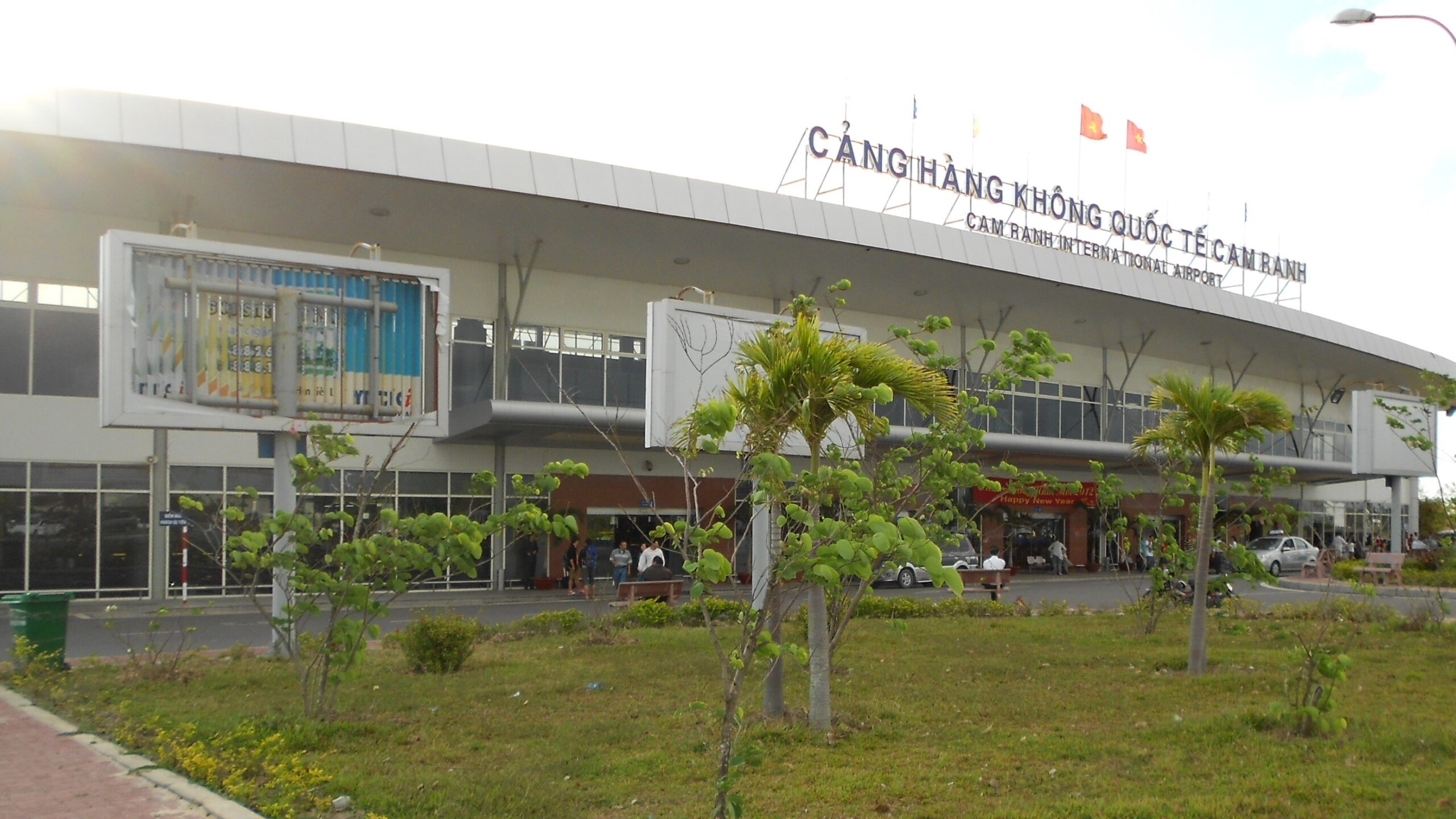
CXR — Cam Ranh International Airport (Nha Trang) terminal

Cam Ranh to Phan Thiet: Coastal Route, Timing and Transfer Prices

Most people asking about cam ranh to phan thiet are working out whether it is sensible to fly into Nha Trang’s airport and drive south, rather than flying to Ho Chi Minh City and driving north. It is a fair question, and the answer depends mostly on where else you are going.

This guide covers the coastal road south, honest timings, and what a private vehicle costs on the route right now.

The coastal road south

Cam Ranh airport sits south of Nha Trang, which is convenient here: the drive to Phan Thiet heads further south, so there is no need to go through the city at all.

The route follows the coast for most of its length, passing through Cam Ranh town, then along the strip past Phan Rang and the salt flats, before turning inland briefly and rejoining the coast near Ca Na. The final stretch runs down towards Phan Thiet through increasingly dry, scrubby country.

This is one of the more scenic long drives in the south. The section around Ca Na has the road running directly between the mountains and the sea, and the salt fields near Phan Rang are striking in the late afternoon light. The surface is generally good, though a few stretches through towns are slow.

How long it takes

Budget four to five hours of driving. That is a real half-day, and it is the single most important thing to understand before choosing this routing.

The variables are predictable. Town sections through Cam Ranh, Phan Rang and Ca Na all impose speed limits and traffic. Afternoon heat means most drivers want a stop, and there are good places to take one. And the approach into Phan Thiet slows down noticeably during the evening.

Worth comparing honestly: the drive from Ho Chi Minh City to Phan Thiet is shorter, and Mui Ne is a further short hop beyond Phan Thiet. So if Phan Thiet is your only destination, flying into Ho Chi Minh City usually makes more sense. Where Cam Ranh wins is on itineraries that include Nha Trang or the central coast first, because then the drive south is progress rather than a detour.

Vehicles and live rates for the cam ranh to phan thiet route

On a four-to-five hour drive the vehicle matters. Groups that would happily squeeze into the smallest class for a short hop generally regret it here.

Cam Ranh airport to Phan Thiet — private vehicle rates
Vehicle Passengers Price (USD) Price (VND)
MICRO Sedan Up to 2 passengers $70 1.820.000₫
MINIVAN Minivan Up to 4 passengers $80 2.080.000₫
MINIBUS 16S Ford Transit Up to 7 passengers $90 2.340.000₫
MINIBUS 16S+ Hyundai Solati Up to 9 passengers $95 2.470.000₫
MINIBUS 18S Ford Premium+ Up to 11 passengers $100 2.600.000₫
MIDI COACH 29S Hyundai/Thaco Up to 20 passengers $110 2.860.000₫
MIDI COACH 34S Hyundai/Thaco Up to 30 passengers $150 3.900.000₫
COACH 45S Hyundai/Thaco Up to 40 passengers $200 5.200.000₫

Prices are per vehicle, not per passenger. VND shown at 26.000 per 1 USD.

All rates are per vehicle with the driver meeting you inside arrivals. Vehicles on this route carry 2 to 40 passengers across 8 classes. Photographs and full capacities are on the vehicle and price page.

How this compares with the train and the bus

The railway runs inland rather than along this coast, and the nearest useful station to Phan Thiet is at Binh Thuan, some distance from the town. So the train involves a connection at both ends and does not save much time overall. Travellers doing the longer Ho Chi Minh City to Nha Trang journey often take the train for the experience, but as an airport transfer it is awkward.

Open-tour buses cover this coast and are inexpensive. They run to fixed schedules, stop frequently, and take considerably longer than a direct vehicle. For budget travellers with time they work fine. For anyone landing with luggage and a hotel booking, the difference in arrival condition is significant after four hours.

The private vehicle advantage on this specific route is the stopping. Four hours is long enough that most groups want a break, and being able to choose where — the salt flats, a beach at Ca Na, a coffee stop — turns a long transfer into a reasonable part of the holiday rather than dead time.

Phan Thiet and Mui Ne

One point of confusion worth clearing up: Phan Thiet is the city, Mui Ne is the beach strip northeast of it. Many hotels marketed as being in Mui Ne are actually along the road between the two, spread over a considerable distance.

This matters for a transfer because the difference between the near end and the far end of that strip is a meaningful drive. Give the exact hotel name and, if you have it, the road number. Drivers know the area but the strip is long and the numbering is not intuitive.

If your accommodation is genuinely out on the Mui Ne beach strip rather than in Phan Thiet town, book the Mui Ne route directly instead — the pricing reflects the extra distance.

Where the road goes next

Phan Thiet is rarely the end of a trip, so it helps to know what the onward legs look like from here.

Heading south, the road to Ho Chi Minh City is faster than the drive you have just done, with a good highway for much of the way. This is the standard exit route for travellers flying home from the south.

Heading inland and up, the climb to Da Lat leaves the coast behind and gains around fifteen hundred metres of altitude. It is a spectacular drive through pine forest, and the temperature drop at the top is dramatic. Groups often pair the coast with the highlands this way.

And immediately northeast, the Mui Ne strip runs along the shore with its dunes and kite-surfing beaches. That is a short hop rather than a journey, which is why it is priced as its own route.

Because Cam Ranh sits at the northern end of this coastal corridor, arriving here and working south means every subsequent leg moves you towards the main international exit points rather than doubling back. That is the strongest argument for this routing.

Frequently asked questions

How far is Phan Thiet from Cam Ranh?

Roughly 250 kilometres by road along the coast. Expect four to five hours of driving.

How do you get from Nha Trang to Phan Thiet?

The same road. Cam Ranh airport is south of Nha Trang, so a transfer from the city adds the airport-to-city distance at the start. Private vehicle, open-tour bus and train with connections are all possible.

Is it better to fly into Cam Ranh or Ho Chi Minh City?

Ho Chi Minh City is closer to Phan Thiet, so for a direct beach trip it is usually the better choice. Cam Ranh makes sense when the itinerary includes Nha Trang or the central coast, because the drive south then covers ground you needed to cover anyway.

Can the driver stop along the way?

Yes, and on a drive this long most passengers want to. The salt flats near Phan Rang and the coastal stretch at Ca Na are the usual choices.

What about going on to Mui Ne?

Mui Ne is a separate route with its own pricing, since the beach strip extends well beyond Phan Thiet town. Book the Mui Ne route if your hotel is on the strip.

Other transfers from Cam Ranh airport

For the short run into the city, see the Cam Ranh airport to Nha Trang guide. The airport transfers overview lists every route from this airport with live prices, and the travel guide section collects all route articles in one place.

Read More...
DAD — Da Nang International Airport terminal

Da Nang Airport to Hue: Tunnel or Pass, Timing and Transfer Prices

Hue is close enough to Da Nang that the trip barely counts as long-distance, yet far enough that the choice of transport genuinely changes the day. A da nang airport to hue transfer takes a couple of hours, and the decision comes down to whether you want the famous coastal railway or a vehicle that leaves when your flight lands.

This guide covers both, plus what the road actually looks like and what a private vehicle costs on the route today.

Two roads and a tunnel

There are two ways north out of Da Nang, and they are not equivalent.

The Hai Van tunnel cuts straight through the mountain. It is faster, safer in bad weather, and what most drivers use by default. The tunnel itself takes only a few minutes to pass through.

The old Hai Van pass climbs over the top instead. It adds around forty minutes and a great deal of winding, but the view from the summit across the bay is one of the best in the country. Drivers will take the pass if asked, and on a clear day it is worth the extra time. In heavy rain or low cloud it is not — the view disappears and the road becomes genuinely unpleasant.

North of the mountain the road runs through Lang Co and past a series of lagoons before reaching Hue’s southern edge. This stretch is flat, fast and unremarkable.

Journey time and when to leave

Allow around two to two and a half hours via the tunnel, door to door from the airport. Via the pass, add roughly forty minutes plus whatever time you spend at the top.

Traffic is rarely the deciding factor on this route, but two situations do slow it down. Fog on the pass during winter mornings makes the climb slow and pointless, since there is nothing to see. And the section immediately south of Hue backs up during afternoon school and factory finishing times.

Late arrivals are straightforward here. The tunnel operates around the clock and the road is well lit, so a midnight landing still gets to Hue by roughly two in the morning without difficulty.

Vehicles and current rates from da nang airport to hue

This is a short enough run that any vehicle class is comfortable, so most groups choose on luggage and headcount rather than on ride quality.

Da Nang airport to Hue — private vehicle rates
Vehicle Passengers Price (USD) Price (VND)
MICRO Sedan Up to 2 passengers $70 1.820.000₫
MINIVAN Minivan Up to 4 passengers $80 2.080.000₫
MINIBUS 16S Ford Transit Up to 7 passengers $90 2.340.000₫
MINIBUS 16S+ Hyundai Solati Up to 9 passengers $95 2.470.000₫
MINIBUS 18S Ford Premium+ Up to 11 passengers $100 2.600.000₫
MIDI COACH 29S Hyundai/Thaco Up to 20 passengers $105 2.730.000₫
MIDI COACH 34S Hyundai/Thaco Up to 30 passengers $145 3.770.000₫
COACH 45S Hyundai/Thaco Up to 40 passengers $195 5.070.000₫

Prices are per vehicle, not per passenger. VND shown at 26.000 per 1 USD.

Rates are per vehicle and include the driver waiting in the arrivals hall with a name board. The fleet on this route covers 2 to 40 passengers, and there are 8 vehicle classes to choose between. Full specifications are on the vehicle and price page.

The train question

Search suggestions for this route mention the train more than anything else, including the phrase “heritage train” and “scenic train”, so it deserves a straight answer.

The Da Nang to Hue railway is genuinely one of the best short train rides in Southeast Asia. It hugs the coast around the mountain that the road tunnels through, and there are stretches where the track runs along cliffs directly above the sea with no road access at all. Photographers rate it highly and it costs very little.

The catch is logistics. The train leaves from Da Nang railway station in the city, not the airport, so an arriving passenger needs a taxi across town first. Departures run to a timetable that may not suit the flight. Luggage handling is your own problem, on and off, up steps. And at the Hue end you arrive at the station rather than at your hotel.

The honest recommendation: if the railway is something you actively want to experience, do it as a separate day trip during your stay rather than as an airport transfer. If the goal is simply to get from arrivals to a hotel in Hue with bags and possibly children, a private vehicle does that job far better.

The public bus exists too and is cheaper again, but it is slow, involves a city-centre connection, and has no luggage provision worth mentioning. Few visitors choose it once they see the alternatives.

Weather and the best time to make this drive

Central Vietnam has a rainfall pattern that differs sharply from the south, and it affects this route more than most because of the mountain in the middle.

The wettest months run from September through December, with October and November typically the heaviest. During this period the old pass is frequently shrouded in cloud, which removes the only reason to take it. Rain also brings occasional flooding to the low-lying section around the lagoons north of the tunnel, though the highway itself rarely closes.

February through August is drier and hotter. The pass views are at their best in these months, and the coastal stretch is genuinely beautiful in the early morning light. The trade-off is heat: an afternoon transfer in June or July means a hot walk from vehicle to hotel door at the far end.

If the timing is flexible, a morning departure suits this route better in every season. The light is better, the traffic is lighter, and it leaves the afternoon free in Hue rather than spending it in transit.

Arriving in Hue

Most visitor accommodation sits in a band along the south bank of the Perfume River, within walking distance of the restaurants and bars. The Citadel and the old imperial city are on the north bank, reached across one of the bridges.

The narrower lanes in the hotel district can be tight for larger vehicles. If your property is down an alley, a larger van may need to stop at the nearest corner. This is normal and the walk is short, but it helps to know in advance rather than being surprised.

Several of the royal tombs sit well south of the city, meaning they are broadly on the way in from Da Nang. Groups planning to visit them anyway sometimes ask the driver to stop en route, which saves a separate trip later. Mention it when booking so the timing allows for it.

Frequently asked questions

How far is Hue from Da Nang airport?

Around 100 kilometres by road via the Hai Van tunnel. Over the old pass the distance is similar but the driving time is considerably longer.

How do you get from Da Nang to Hue?

By private car or van, by train from Da Nang city station, or by public bus. The private vehicle is the only one that collects you at the airport and delivers you to your hotel address.

Is the pass or the tunnel better?

The tunnel for speed and reliability, the pass for the view. On a clear day the pass is worth the extra time. In rain or fog, take the tunnel.

Can the driver stop at the royal tombs?

Yes. Several tombs are close to the route, so it is a practical stop rather than a detour. Arrange it in advance so the schedule allows for it.

Is a night arrival a problem?

No. The tunnel is open all night and the road is in good condition, so a late transfer runs at normal speed.

Continuing through central Vietnam

Hue works well as part of a longer route. Heading south, the Da Nang airport to Hoi An guide covers the old town run, and heading north the Phong Nha guide covers the caves. The airport transfers overview shows every route from this airport with current prices.

Read More...

Cam Ranh Airport to Mui Ne Transfer: Route, Timing and Prices

The drive from Cam Ranh Airport to Mui Ne is one of the longest coastal transfers we operate from CXR, and it is also one of the most scenic. Cam Ranh International Airport sits south of Nha Trang, which means you are already pointed in the right direction the moment you leave the terminal. The road runs down the coast through Cam Ranh, Phan Rang and the dunes of Ninh Thuan before reaching the resort strip at Mui Ne.

Most travellers arriving at CXR are heading to Nha Trang, a short hop north. Choosing Mui Ne instead means committing to a longer journey, so it helps to know what the road actually involves before you book.

How long does the drive take?

Allow between four and five hours of driving time in normal conditions. The distance is roughly 240 kilometres depending on which part of the Mui Ne strip your accommodation sits on, and the route is almost entirely along Highway 1 and the coastal road.

That figure assumes a daytime departure with no unusual delays. Two things stretch it. The first is the section around Phan Rang, where the highway passes through built-up areas and traffic slows considerably. The second is the final approach into Mui Ne itself, where the resort road narrows and runs past hotels, restaurants and beach entrances. If your driver needs to find a small guesthouse tucked behind the main strip, add another fifteen minutes.

Late-night arrivals often move faster because the highway is quieter, though drivers keep speeds moderate after dark for safety reasons.

What the road is like

The first stretch out of Cam Ranh is straightforward. You pass salt flats and shrimp farms, and the highway is in good condition. Around Phan Rang the landscape changes noticeably, becoming dry and open with cactus and grazing goats, a striking contrast to the green rice country further north.

The final section before Mui Ne runs close to the sea. On clear days you get long views over the water, and the sand dunes that Mui Ne is known for begin to appear on the inland side. This is the part of the journey most passengers remember.

Road surfaces are generally good throughout. The route does not involve mountain passes, so it suits travellers who are uncomfortable with winding roads or prone to motion sickness. Anyone flying into Cam Ranh and continuing to Nha Trang instead will find that trip much shorter, and we cover it separately in our Cam Ranh to Nha Trang guide.

Vehicle options and prices

Prices below are per vehicle, not per passenger, and cover the whole journey including fuel, tolls and driver. A family of four pays the same as a solo traveller in the same car, which usually makes private transfer competitive against per-seat bus tickets once you split it.

Cam Ranh Airport (CXR) to Mui Ne — vehicle prices
Vehicle Passengers Price (USD) Price (VND)
MICRO Sedan Up to 2 passengers $65 1.690.000₫
MINIVAN Minivan Up to 4 passengers $75 1.950.000₫
MINIBUS 16S Ford Transit Up to 7 passengers $85 2.210.000₫
MINIBUS 16S+ Hyundai Solati Up to 9 passengers $90 2.340.000₫
MINIBUS 18S Ford Premium+ Up to 11 passengers $95 2.470.000₫
MIDI COACH 29S Hyundai/Thaco Up to 20 passengers $105 2.730.000₫
MIDI COACH 34S Hyundai/Thaco Up to 30 passengers $145 3.770.000₫
COACH 45S Hyundai/Thaco Up to 40 passengers $195 5.070.000₫

Prices are per vehicle, not per passenger. VND shown at 26.000 per 1 USD.

For two people with normal luggage, the smallest vehicle is adequate. Couples travelling with surfboards or kitesurfing gear should book one size up, since Mui Ne draws a lot of wind sports visitors and boards do not fit comfortably in a sedan boot. Groups of six or more will want a van, and anything above sixteen passengers moves into minibus and coach territory.

Luggage and comfort on a long transfer

Four to five hours is long enough that comfort matters. Vehicles are air conditioned and drivers will stop if you ask, typically at a roadside rest area near Phan Rang where there are toilets, drinks and snacks. Tell your driver early if you want a break, because suitable stopping points are spread out.

Bring water for the journey, especially in the dry season when the Ninh Thuan stretch gets very hot. If you are travelling with young children, a scheduled stop roughly halfway makes the trip considerably easier for everyone.

Luggage capacity is worth checking against your group size. A vehicle rated for seven passengers seats seven comfortably but will not swallow seven large suitcases. If your group is close to the vehicle limit and everyone has checked baggage, book the next size up.

Meeting your driver at Cam Ranh Airport

Cam Ranh has separate domestic and international terminals. Your driver waits in the arrivals area with a name board, and we track flight arrival times so a delayed landing does not mean a missed pickup.

Give us your flight number when booking. It is the single most useful piece of information for making the meeting go smoothly, and it removes the need for you to find wifi and message anyone after you land.

Common questions

How far is Cam Ranh from Mui Ne? Around 240 kilometres by road, taking four to five hours by car.

Is there a bus from Cam Ranh to Mui Ne? Buses run from Nha Trang rather than directly from the airport, so you would first need to reach Nha Trang and then change. That adds time and a transfer with luggage. A direct private car avoids both.

Can I stop along the way? Yes. Tell your driver at pickup and a short break can be arranged. Extended sightseeing detours are different from a rest stop, so mention any plans when you book.

Does the price change at night? The rates in the table apply to the journey regardless of arrival hour. Late-night pickups are common at Cam Ranh and are handled as standard.

What about the return trip? Mui Ne back to Cam Ranh Airport works the same way. Many guests book both directions at once so the return is settled before they arrive.

Best time to make this journey

Mui Ne has two distinct seasons and they change the character of the trip. The dry months from November through April bring steady wind, which is exactly why kitesurfers fill the beaches during this period. Road conditions are reliable and the coastal views on the final approach are at their clearest.

From May to October the weather is warmer and wetter. Rain tends to arrive in short heavy bursts in the afternoon rather than lasting all day, so a morning departure from Cam Ranh usually avoids the worst of it. The dry Ninh Thuan section stays passable throughout because it receives far less rainfall than the rest of the country.

On timing within the day, a departure before mid-morning gives you the smoothest run. Traffic around Phan Rang builds through the middle of the day, and arriving at your accommodation in daylight makes finding the entrance easier, particularly along the resort strip where signage is inconsistent.

How this compares with other options

There is no direct public transport from Cam Ranh Airport to Mui Ne. Every alternative involves at least one change, usually in Nha Trang.

Sleeper buses run the Nha Trang to Mui Ne corridor and are inexpensive, but you first need to reach Nha Trang from the airport, then wait for a scheduled departure, then handle your own luggage at both ends. For a group of two or more, the price gap narrows quickly once you add the airport connection.

The railway serves Nha Trang and Phan Thiet, so a train is theoretically possible, though it means two transfers and a schedule that rarely aligns with flight arrival times. For most travellers the time cost outweighs the saving.

A private car is the only option that takes you from the arrivals hall to your hotel door without a change. On a four to five hour journey with luggage, that matters more than it does on a short hop.

Who this route suits

This transfer works well for travellers who have deliberately chosen Mui Ne over Nha Trang and want to get there without a broken journey. Wind sports visitors with board bags are a common group, and the vehicle sizing advice above is aimed largely at them.

Families appreciate having a vehicle to themselves on a drive of this length, with the ability to stop when a child needs a break rather than waiting for a scheduled service.

It is less suited to travellers on a very tight budget who are comfortable with multiple connections and have plenty of time. For them, the bus route through Nha Trang remains the cheaper choice.

Booking your transfer

Select your date and time, choose pickup and drop-off points, and pick the vehicle that fits your group. We confirm by phone before the journey, so there is no online payment step to complete at the time of booking.

If you are continuing further south afterwards, Mui Ne connects onward to Phan Thiet town in around twenty minutes, and our Ho Chi Minh City to Mui Ne guide covers that corridor from the other direction.

Read More...

Cam Ranh Airport to Tuy Hoa Transfer: Coastal Road and Prices

Travelling from Cam Ranh Airport to Tuy Hoa takes you north along one of the least crowded stretches of the Vietnamese coast. Tuy Hoa is the capital of Phu Yen province, and while it has its own small airport, flight options there are limited. Many visitors fly into Cam Ranh instead, where connections are far better, and continue by road.

That road journey is the reason this route exists, and it turns out to be one of the more rewarding drives in the region.

Journey time and distance

The drive covers roughly 180 kilometres and takes about three to three and a half hours. You head north past Nha Trang, then continue along the coast through Ninh Hoa and Dai Lanh before descending into Tuy Hoa.

Traffic around Nha Trang is the main variable. During busy periods, getting past the city adds twenty to thirty minutes. Once you are north of Ninh Hoa the road opens up and the remainder of the journey is generally smooth.

The Ca Pass section near Dai Lanh is worth knowing about in advance. The road climbs and winds through headlands with views down to the sea, and drivers slow accordingly. Passengers who get carsick should sit in the front and keep the window slightly open through this part.

What you will see on the way

This is a genuinely scenic drive. After Nha Trang the coastline becomes wilder, with long empty beaches and fishing villages rather than resorts. Dai Lanh beach appears on the right as you approach the pass, a wide curve of sand that most travellers have never heard of.

Vung Ro Bay sits just before Tuy Hoa and is visible from the road. It has historical significance from the war years and today is a quiet working bay with aquaculture rafts spread across the water.

Phu Yen province has become better known within Vietnam over the past decade, largely thanks to a popular film shot there. It still receives far fewer international visitors than Nha Trang, which is precisely its appeal for many people making this trip.

Vehicle choices and pricing

All prices are per vehicle for the complete journey, including driver, fuel and tolls.

Cam Ranh Airport (CXR) to Tuy Hoa — vehicle prices
Vehicle Passengers Price (USD) Price (VND)
MICRO Sedan Up to 2 passengers $65 1.690.000₫
MINIVAN Minivan Up to 4 passengers $75 1.950.000₫
MINIBUS 16S Ford Transit Up to 7 passengers $85 2.210.000₫
MINIBUS 16S+ Hyundai Solati Up to 9 passengers $90 2.340.000₫
MINIBUS 18S Ford Premium+ Up to 11 passengers $95 2.470.000₫
MIDI COACH 29S Hyundai/Thaco Up to 20 passengers $105 2.730.000₫
MIDI COACH 34S Hyundai/Thaco Up to 30 passengers $145 3.770.000₫
COACH 45S Hyundai/Thaco Up to 40 passengers $195 5.070.000₫

Prices are per vehicle, not per passenger. VND shown at 26.000 per 1 USD.

Two travellers with standard luggage fit the smallest vehicle without difficulty. Families of four should consider the next size up for a three-hour drive, since the extra space makes a noticeable difference on a journey of this length. Larger groups have van, minibus and coach options depending on numbers.

If your plans include Nha Trang before continuing north, that shorter leg is covered in our Cam Ranh to Nha Trang transfer guide.

Practical notes for the drive

Rest stops are available but less frequent than on the busier southern routes. The area around Ninh Hoa has roadside restaurants and is the usual halfway break. Mention it to your driver when you set off rather than waiting until you need it.

Weather affects this route more than most. During the rainy season between roughly September and December, the central coast can see heavy downpours, and the pass section requires extra care. Journey times stretch accordingly. Building buffer time into your plans is sensible if you have an onward commitment.

Mobile coverage is reliable for almost the entire route, so staying in contact is not an issue.

Airport pickup at Cam Ranh

Your driver meets you inside arrivals with a name board. Cam Ranh handles both domestic and international flights, and we monitor arrival times so delays are absorbed on our side rather than yours.

Supplying your flight number at booking is the most helpful thing you can do. If you are arriving on a late flight, note that the northbound road is quiet at night and the journey often runs slightly faster than the daytime estimate.

Frequently asked questions

How many kilometres is Cam Ranh to Tuy Hoa? Approximately 180 kilometres by road, three to three and a half hours by car.

Is there a train between Nha Trang and Tuy Hoa? Yes, the north-south railway serves both, but you would need to reach Nha Trang station from the airport first and then match your schedule to train times. A direct car removes both steps.

Are there buses on this route? Buses run between Nha Trang and Tuy Hoa. They do not depart from the airport, so a connection is required, and luggage handling on intercity buses is basic.

Is the Ca Pass difficult? It is a well-maintained road with curves and elevation. Drivers who know the route handle it routinely. Passengers sensitive to winding roads should plan accordingly.

Can the driver stop at Dai Lanh beach? A brief photo stop can usually be arranged if you ask at pickup. Longer stops should be mentioned when booking.

When to travel this route

Phu Yen shares the central coast weather pattern, which means the drier months run from roughly January through August. This is when the beaches around Tuy Hoa are at their best and the Ca Pass section offers the clear sea views that make the drive memorable.

The wetter period from September to December brings the heaviest rain of the year to this stretch of coast. Storms can affect the region, and the pass requires more care in poor visibility. Journey times lengthen and we advise checking conditions if your travel date falls in this window.

Within the day, morning departures are preferable. The light over Dai Lanh and Vung Ro Bay is better earlier, and you avoid descending into Tuy Hoa in the dark. If your flight lands in the evening the drive is still perfectly manageable, you simply lose the scenery that makes this particular route worth choosing.

Comparing your options

Tuy Hoa has its own airport with limited domestic connections, mostly to Ho Chi Minh City and Hanoi. If a flight fits your schedule and budget, it saves road time. Many travellers find the timings inconvenient or the fares high, which is why the Cam Ranh Airport to Tuy Hoa road transfer is common.

The north-south railway stops at both Nha Trang and Tuy Hoa, and the coastal section is genuinely scenic from the train. The complication is getting from Cam Ranh Airport to Nha Trang station, then matching your arrival to a departure. With luggage and a flight that may run late, this becomes awkward.

Intercity buses cover Nha Trang to Tuy Hoa at low cost. As with the train, the airport connection is on you, and bus schedules do not wait for delayed flights.

A direct car costs more than a bus seat but removes every connection. For groups, splitting one vehicle fare often lands close to the combined cost of individual tickets plus the airport transfer.

Who chooses this transfer

Most passengers on this route are heading to Phu Yen specifically rather than passing through. Domestic Vietnamese tourists have driven interest in the province, and international visitors who make the trip are usually looking for coastline without crowds.

Business travellers booking Cam Ranh Airport to Tuy Hoa also use it, valuing the reliability of a met arrival over the lower cost of a connection they might miss.

Travellers who simply want to reach Nha Trang will find that a much shorter and cheaper trip, and the Ca Pass drive is not something to undertake unless Phu Yen is genuinely your destination.

Making a booking

Choose your date and time, set pickup and drop-off, and select a vehicle sized for your group and luggage. We confirm by phone before travel. There is no online payment step, so you are not committing money before speaking to us.

Read More...

Da Lat Airport to Nha Trang Transfer: Mountain Road and Prices

The transfer from Da Lat to Nha Trang is a journey between two completely different climates. You start in the cool highlands at around 1,500 metres and finish at sea level on a tropical coast. The temperature difference is often ten degrees or more, and passengers who board in a jacket usually remove it well before arrival.

Lien Khuong Airport sits about thirty kilometres south of Da Lat city, which means the airport is already partway along the route if you are heading to the coast.

How long the journey takes

Expect three and a half to four hours from Lien Khuong Airport to central Nha Trang, covering approximately 130 kilometres. The distance sounds modest, but the terrain explains the timing.

The route follows the Khanh Le Pass, a long mountain descent with continuous curves. This is not a road that can be rushed, and any driver who tries to is doing it wrong. The pass alone accounts for a substantial portion of the total journey time.

Once you reach the lowlands the road straightens and the final approach into Nha Trang is quick, subject to city traffic.

The Khanh Le Pass

This section deserves its own explanation because it defines the trip. The pass climbs and falls through forested mountains, with viewpoints where the valley opens up below. In the early morning, cloud often sits in the valleys and the view above it is genuinely spectacular.

The road is sealed and maintained, but it is mountainous, and conditions change with the weather. Fog reduces visibility at altitude, particularly early in the day. During heavy rain, landslides occasionally affect sections of the pass, and authorities may impose restrictions or diversions while clearing takes place.

We monitor road conditions on this route. If the pass is closed or unsafe, we tell you before departure rather than discovering it halfway. This is one reason we recommend giving accurate contact details at booking.

Passengers prone to motion sickness should take precautions before setting off. The front seat is noticeably more comfortable than the back through the winding sections.

Vehicle options and prices

Rates are per vehicle for the full journey, covering driver, fuel and tolls.

Lien Khuong Airport (DLI) to Nha Trang — vehicle prices
Vehicle Passengers Price (USD) Price (VND)
MICRO Sedan Up to 2 passengers $70 1.820.000₫
MINIVAN Minivan Up to 4 passengers $80 2.080.000₫
MINIBUS 16S Ford Transit Up to 7 passengers $90 2.340.000₫
MINIBUS 16S+ Hyundai Solati Up to 9 passengers $95 2.470.000₫
MINIBUS 18S Ford Premium+ Up to 11 passengers $100 2.600.000₫
MIDI COACH 29S Hyundai/Thaco Up to 20 passengers $110 2.860.000₫
MIDI COACH 34S Hyundai/Thaco Up to 30 passengers $150 3.900.000₫
COACH 45S Hyundai/Thaco Up to 40 passengers $200 5.200.000₫

Prices are per vehicle, not per passenger. VND shown at 26.000 per 1 USD.

For a mountain route of this length, comfort is worth paying for. Two passengers manage fine in the smallest vehicle, but four people on a four-hour winding descent will appreciate the extra room of the next class up. Groups should size the vehicle generously rather than tightly.

If your plan is to stay in Da Lat itself before travelling on, the short hop from the airport into town is covered in our Lien Khuong Airport to Da Lat guide.

Timing your departure

Morning departures generally offer the best conditions. Visibility on the pass is better once early fog lifts, usually mid-morning, and you arrive in Nha Trang with the afternoon still ahead.

Late-afternoon departures mean descending the pass near dusk. Drivers handle this routinely, but you lose the views that make the route worthwhile, and darkness on a mountain road naturally slows progress.

If you are connecting to an onward flight or train from Nha Trang, build in generous buffer time. This is not a route where a tight schedule is wise.

Meeting your driver

Lien Khuong is a compact airport, which makes meeting straightforward. Your driver waits in arrivals with a name board, and we track flight times so delays do not cause problems.

Provide your flight number when booking. On a route with weather variables, being reachable by phone matters more than usual, so include a working contact number too.

Questions travellers ask

How far is Da Lat from Nha Trang? Roughly 130 kilometres, taking three and a half to four hours because of the mountain pass.

Is the road dangerous? It is a mountain road requiring care and experience rather than a dangerous one. Professional drivers cover it daily. Weather is the main factor, and we advise you if conditions are poor.

Can I take a bus instead? Sleeper buses and limousine vans run between Da Lat and Nha Trang. They depart from the city rather than the airport, so you would need to get into Da Lat first, and fixed schedules may not match your flight.

What about landslides? They occur occasionally during heavy rain and can affect the pass. We check conditions before departure and inform you of any disruption.

Will we stop along the way? Yes, there are viewpoints and rest areas on the pass. Tell your driver if you would like a stop.

Choosing when to travel

Weather matters more on this route than on any coastal transfer, because the Khanh Le Pass sits at altitude and conditions there differ from both Da Lat and Nha Trang.

The drier months from December through March generally give the most reliable conditions. Morning fog still forms in the highlands but usually clears, and the views from the pass are at their best once it lifts.

From roughly May to November rainfall increases, and this is when landslide risk on the pass is highest. The road is not routinely closed, but disruption does happen, and clearing operations can hold traffic. If you are travelling in this period, allow flexibility around any onward connection and make sure we can reach you by phone.

On departure timing, mid-morning is the sweet spot. Leave too early and you descend through fog with no view at all. Leave too late and you finish the pass at dusk. A departure between roughly nine and eleven usually gives clear conditions and daylight for the whole descent.

How it compares to the alternatives

Sleeper buses and limousine vans run frequently between Da Lat and Nha Trang, and they are considerably cheaper. The trade-offs are real, though. They depart from city pickup points rather than the airport, so arriving at Lien Khuong means first getting into Da Lat. Departure times are fixed. And on a road with this many curves, a shared vehicle with a seat you did not choose is less comfortable than a car with a front seat available.

There is no railway between Da Lat and Nha Trang. The short heritage line out of Da Lat is a tourist attraction that goes nowhere useful for this journey.

Flying is not practical either. Both cities have airports, but there is no direct service between them, and routing through Ho Chi Minh City would take far longer than driving.

That leaves road travel as the only realistic way to get from Da Lat to Nha Trang, and the question becomes whether you take a shared service from the city or a private vehicle from the terminal.

Who this suits

Travellers combining highland and coastal Vietnam in one trip are the main users of the Da Lat to Nha Trang route, and it is a popular pairing. Da Lat first, then down to the sea, works well as an itinerary.

Anyone arriving at Lien Khuong on a flight and continuing the same day benefits most, since the alternative involves an unnecessary detour into Da Lat city.

Passengers who are genuinely uncomfortable on mountain roads should think carefully. The pass is unavoidable on this route, and four hours of curves is a long time if you struggle with them. The front seat helps considerably.

Booking

Select your travel date and time, enter pickup and drop-off details, and choose a vehicle. We confirm by phone, so nothing is charged online at the point of booking.

Read More...

Da Lat Airport to Phan Thiet Transfer: Route Options and Prices

Going from Da Lat to Phan Thiet means descending from the highlands to the coast, swapping pine forest and cool air for beaches and heat. It is a popular combination for travellers who want both halves of southern Vietnam in one trip, and the drive itself is a large part of the experience.

Lien Khuong Airport lies south of Da Lat city, so if you are flying in and heading straight for the coast, the airport is conveniently positioned on the way.

Which road does the driver take?

This question comes up often, because there is more than one way down. The usual route follows the descent towards Phan Thiet through the Di Linh and Bao Loc region, then continues south-east to the coast. It covers roughly 160 kilometres and takes about three and a half to four hours.

An alternative route runs via Phan Rang and the coastal highway. It is longer in distance and generally slower, so it is used mainly when conditions on the main road make it necessary.

Your driver selects the route based on conditions on the day. If you have a preference, mention it when you book and we will tell you honestly whether it is practical.

What the drive is like

The first section leaving the highlands is the most demanding. The road descends steadily with curves and gradient changes, passing through pine forest and then coffee and tea plantations as the altitude drops. Bao Loc is known for its tea, and the hillsides are planted in neat rows that are pleasant to look at from the car.

As you continue, the vegetation changes and the temperature climbs. By the time you reach the flat country before Phan Thiet, you are firmly in the coastal lowlands, with dragon fruit farms lining the road. Binh Thuan province produces most of Vietnam’s dragon fruit and the trellises stretch for kilometres.

The final stretch into Phan Thiet is straightforward. If you are staying in Mui Ne rather than Phan Thiet town, add roughly twenty minutes for the coastal road out to the resort strip.

Vehicle options and prices

Prices are per vehicle for the whole journey and include driver, fuel and tolls.

Lien Khuong Airport (DLI) to Phan Thiet — vehicle prices
Vehicle Passengers Price (USD) Price (VND)
MICRO Sedan Up to 2 passengers $65 1.690.000₫
MINIVAN Minivan Up to 4 passengers $75 1.950.000₫
MINIBUS 16S Ford Transit Up to 7 passengers $85 2.210.000₫
MINIBUS 16S+ Hyundai Solati Up to 9 passengers $90 2.340.000₫
MINIBUS 18S Ford Premium+ Up to 11 passengers $95 2.470.000₫
MIDI COACH 29S Hyundai/Thaco Up to 20 passengers $105 2.730.000₫
MIDI COACH 34S Hyundai/Thaco Up to 30 passengers $145 3.770.000₫
COACH 45S Hyundai/Thaco Up to 40 passengers $195 5.070.000₫

Prices are per vehicle, not per passenger. VND shown at 26.000 per 1 USD.

Two travellers fit the smallest vehicle comfortably. For four people on a four-hour drive with mountain sections, stepping up a size is money well spent. Groups of six and above should look at vans, and larger parties have minibus and coach options.

Travelling the other direction, or coming from Ho Chi Minh City instead, is covered in our Ho Chi Minh Airport to Phan Thiet guide.

Comfort and stops

Four hours with a mountain descent at the start makes rest stops worthwhile. Bao Loc is the natural halfway point, with restaurants and facilities, and most drivers pause there if asked.

The descent affects some passengers. Anyone who struggles with winding roads should sit in the front and consider medication before departure. The road straightens out well before Phan Thiet, so any discomfort is limited to the first part of the journey.

Temperature change is worth preparing for. Da Lat mornings can be genuinely cold, and Phan Thiet afternoons are hot and humid. Dress in layers you can remove, and keep water within reach.

Pickup at Lien Khuong Airport

The airport is small and easy to navigate. Your driver waits in arrivals holding a name board, and we track your flight so a delay is handled without you needing to do anything.

Include your flight number when booking. If you are travelling with sports equipment or oversized luggage, tell us at the same time so the right vehicle is assigned.

Common questions

How many kilometres is Da Lat to Phan Thiet? About 160 kilometres on the usual route, three and a half to four hours by car.

How long does the bus take? Scheduled buses and limousine vans typically take longer, with pickup points in Da Lat city rather than at the airport, plus waiting time for departure.

Is it the same price to Mui Ne? Mui Ne is a separate destination in our system with its own rate. If your hotel is on the Mui Ne strip, select that rather than Phan Thiet when booking.

Can we stop at a tea plantation? Short stops around Bao Loc can usually be accommodated. Mention it at booking so the driver can plan the timing.

Is the route safe in the rainy season? The road is used year-round. Heavy rain slows the descent and we advise you if conditions are unusual on your travel date.

Best season for this drive

The two ends of this journey have different weather patterns, which is part of what makes the route interesting. Da Lat stays cool year-round with a wet season from May to October. Phan Thiet and the Binh Thuan coast are drier overall, with the clearest conditions from November through April.

Travelling in the dry months gives the most comfortable descent. The mountain section is easier in good visibility, and arriving on a coast that is not being rained on is a better start to a beach stay.

During the wetter months the descent through Bao Loc can be misty and slower. The road remains open and in regular use, but drivers reduce speed and journey times stretch. Afternoon rain on the coast is common and usually brief.

An early departure suits this route well. You clear the mountain section before midday, reach the lowlands while the light is still good, and arrive with time to settle in. Evening arrivals in Mui Ne can be tricky if your accommodation is set back from the main road.

Weighing up the alternatives

Limousine vans have become the popular choice on the Da Lat to Phan Thiet corridor, offering a middle ground between a bus seat and a private car. They pick up in Da Lat city, follow fixed schedules and carry other passengers. Cost is lower, flexibility is lower too.

Standard coaches also serve the route at the lowest price point, with the longest journey times and the most stops.

No railway connects Da Lat to the coast, so the train is not an option regardless of preference. Phan Thiet does sit on the line from Ho Chi Minh City, which is useful for a different journey but not this one.

The advantage of a private transfer here is the airport start. Every shared option requires you to reach Da Lat city first, which adds a transfer, a wait and a cost that is easy to overlook when comparing headline fares.

Who books this route

The typical passenger is combining Da Lat with a beach stay, either as part of a longer Vietnam itinerary or as a domestic weekend trip. The contrast between highland and coast in a single day is the appeal.

Families with children favour private transfer on this route because of the descent. Being able to stop at Bao Loc without negotiating with other passengers makes a noticeable difference.

Solo budget travellers with flexible schedules will find the limousine vans perfectly adequate and considerably cheaper, provided they are already in Da Lat city rather than at the airport.

How to book

Pick your date and time, enter pickup and drop-off points, and choose the vehicle that suits your group and luggage. We confirm by phone before the journey rather than taking payment online.

Read More...
Ba Na Hills seen on the MUINE EXPRESS transfer route

Da Nang Airport to Ba Na Hills Transfer: Prices, Timing and Cable Car

Booking a Da Nang airport to Ba Na Hills transfer is the simplest way to reach the Golden Bridge and the Sun World complex on the summit. The mountain sits about 35 kilometres west of the airport, and while the road itself is straightforward, the timing matters more than most arrivals expect. This guide covers rates by vehicle, how the cable car schedule shapes your departure time, and whether a private car beats the alternatives.

How far is Ba Na Hills from Da Nang airport?

The distance is roughly 35 kilometres and the drive takes about an hour in normal conditions. You leave the coastal plain almost immediately, cross the Cau Do river, and then climb gently through Hoa Vang district on a wide, well-surfaced road.

The final stretch approaches the cable car station at the mountain base. Note that the road ends there. Nobody drives to the summit itself, because the only way up is the cable car, and that single fact governs how the whole day is planned.

Ba Na Hills transfer prices

Rates below read live from the MUINE EXPRESS rate source, so they match exactly what is applied when you book.

Da Nang airport to Ba Na Hills transfer prices by vehicle
Vehicle Passengers Price (USD) Price (VND)
MICRO Sedan Up to 2 passengers $30 780.000₫
MINIVAN Minivan Up to 4 passengers $40 1.040.000₫
MINIBUS 16S Ford Transit Up to 7 passengers $50 1.300.000₫
MINIBUS 16S+ Hyundai Solati Up to 9 passengers $55 1.430.000₫
MINIBUS 18S Ford Premium+ Up to 11 passengers $60 1.560.000₫
MIDI COACH 29S Hyundai/Thaco Up to 20 passengers $65 1.690.000₫
MIDI COACH 34S Hyundai/Thaco Up to 30 passengers $105 2.730.000₫
COACH 45S Hyundai/Thaco Up to 40 passengers $155 4.030.000₫

Prices are per vehicle, not per passenger. VND shown at 26.000 per 1 USD.

The route starts at $30 and reaches $155 for the largest vehicle. There are 8 classes covering 2 to 40 passengers, and in local currency the entry rate is 780.000₫.

The price covers the vehicle, not the seat, so a group of four pays the same as a solo traveller in the same car. It does not include the Sun World entrance ticket, which is bought separately at the base station and covers both the cable car and the attractions on top.

The cable car decides your schedule

This is the part travellers underestimate. The cable car typically runs from around 8am to 5pm, though the exact hours shift with the season and the weather. If you arrive at the base station after about 3pm, you will have a rushed visit or none at all.

Working backwards from that: an early morning flight landing before 10am gives you a comfortable full day. A flight landing at 1pm still works if you go directly. Anything landing after 3pm means you should sleep in Da Nang and travel up the following morning instead.

Most visitors spend four to six hours on the summit. Between the Golden Bridge, the French Village, the gardens and the indoor amusement area, three hours feels tight and eight feels generous.

Transfer, taxi, or motorbike

A metered taxi from the airport will quote something similar to a private car for the outbound leg, but the return is the problem. Taxis do not wait at the base station in useful numbers in the late afternoon, and travellers regularly report long waits or inflated one-off prices for the trip back down.

Ride-hailing apps work in Da Nang city itself but coverage thins out at the mountain base, particularly after 4pm when demand spikes as the cable car empties.

A motorbike is genuinely popular with younger travellers and the road is manageable. Bear in mind that the mountain weather turns quickly, the descent in rain is unpleasant, and you will be carrying your luggage if you come straight from the airport.

A booked private transfer removes the return uncertainty, which is the single strongest argument for it on this particular route.

Weather and what to pack

The summit sits at roughly 1,400 metres and is consistently cooler than the coast, often by eight to ten degrees. Visitors arriving in shorts on a hot Da Nang morning are frequently surprised by how cold it feels at the top, especially when cloud rolls in.

Bring a light jacket regardless of the forecast at sea level. Cloud cover also affects the Golden Bridge photographs that most people come for, and mornings tend to be clearer than afternoons through much of the year.

Pickup at Da Nang airport

Da Nang has two terminals, domestic and international, sitting side by side. Your driver waits in the arrivals hall with a name board, and the walk to the vehicle is short because the airport is compact by international standards.

The airport is unusually close to the city, only around three kilometres from the centre, so there is no long access road to negotiate before the journey properly begins.

Choosing a vehicle

A four-seat car suits couples and solo travellers with normal luggage. Families of three or four with full suitcases are more comfortable in a seven-seat vehicle, since a day trip usually means the bags stay in the car.

Groups above seven should take a sixteen-seat van or larger. The mountain road has bends but nothing that troubles a full-size vehicle, and the larger classes are frequently used for tour groups on this exact route.

Waiting time and the return leg

Many travellers book the transfer as a round trip with the driver waiting at the base station. Given how thin the return transport options are in the late afternoon, this is worth considering even though it costs more than a one-way booking.

If you prefer to keep the day open, book the outbound leg only and arrange the return separately once you know how long you want to stay.

Frequently asked questions

How long does a Da Nang airport to Ba Na Hills transfer take?

About an hour for the 35 kilometre road journey, plus roughly 20 minutes for the cable car ascent. Allow 90 minutes from landing to standing on the summit, assuming no queue at the ticket counter.

Can the car drive to the Golden Bridge?

No. Private vehicles stop at the cable car station at the mountain base. The cable car is the only access to the summit area where the Golden Bridge is located.

Is the Sun World ticket included in the transfer price?

No. The transfer covers the road journey only. Entrance to Sun World Ba Na Hills, which includes the cable car, is purchased separately at the base station.

Is it worth going if the weather is cloudy?

The gardens, the French Village and the indoor areas are unaffected, but the Golden Bridge views depend entirely on visibility. If photographs are your main reason for going, check the mountain forecast rather than the city forecast.

Can I stop in Da Nang on the way?

Yes, a short stop can usually be arranged with the driver, though the mountain road does not pass through the city centre so a detour adds time.

Is a return transfer available?

Yes. Return bookings are available and are priced at a discount against two separate one-way journeys.

Onward travel from Ba Na Hills

Most visitors return to Da Nang or continue south. If Hoi An is your next stop, the Da Nang airport to Hoi An transfer runs along the coast and takes about 45 minutes from the airport.

Travellers heading north often pair the mountain with the imperial city, and the Da Nang to Hue route covers roughly 100 kilometres over the Hai Van pass or through the tunnel beneath it.

What travellers get wrong about Ba Na Hills

Two things, mostly. The first is treating it as a quick stop rather than a full day, which leads to arriving too late for the cable car. The second is expecting a mountain village. Ba Na Hills is a purpose-built resort complex, and visitors who arrive expecting an untouched hill station are sometimes surprised by how developed the summit is.

Knowing that in advance tends to make for a much better visit, because the French Village and the amusement areas are genuinely well executed once you take them for what they are.

Related routes

More route guides, timings and rates are collected in the MUINE EXPRESS travel guide.

Read More...
Da Nang city seen on the MUINE EXPRESS transfer route

Da Nang Airport to City Centre Transfer: Prices, Timing and Districts

The Da Nang airport to city centre transfer is the shortest airport run in Vietnam. The distance is around five kilometres and the drive takes roughly 15 minutes, which is unusual enough that first-time arrivals often assume they have misread the map. This guide covers rates by vehicle, how the short distance changes the taxi comparison, and which riverside area you actually want to be dropped at.

How far is Da Nang city centre from the airport?

About five kilometres, or 15 minutes in normal traffic. Da Nang International sits inside the city rather than outside it, so there is no highway stretch and no long access road. You leave the terminal, cross a few boulevards, and you are at the Han river.

Traffic is light by Vietnamese standards. Even in the evening peak the journey rarely stretches beyond 25 minutes, and there is no equivalent of the long congested approach that arrivals into Ho Chi Minh City or Hanoi have to absorb.

Da Nang city centre transfer prices

Rates below read live from the MUINE EXPRESS rate source, so they match exactly what is applied when you book.

Da Nang airport to city centre transfer prices by vehicle
Vehicle Passengers Price (USD) Price (VND)
MICRO Sedan Up to 2 passengers $20 520.000₫
MINIVAN Minivan Up to 4 passengers $30 780.000₫
MINIBUS 16S Ford Transit Up to 7 passengers $40 1.040.000₫
MIDI COACH 29S Hyundai/Thaco Up to 20 passengers $40 1.040.000₫
MINIBUS 16S+ Hyundai Solati Up to 9 passengers $45 1.170.000₫
MINIBUS 18S Ford Premium+ Up to 11 passengers $50 1.300.000₫
MIDI COACH 34S Hyundai/Thaco Up to 30 passengers $80 2.080.000₫
COACH 45S Hyundai/Thaco Up to 40 passengers $130 3.380.000₫

Prices are per vehicle, not per passenger. VND shown at 26.000 per 1 USD.

The route starts at $20 and reaches $130 for the largest vehicle. There are 8 classes covering 2 to 40 passengers, and in local currency the entry rate is 520.000₫.

The price covers the vehicle rather than the seat, so four people travelling together pay the same as one person in the same car. On a five kilometre run that makes the per-person cost genuinely small for a group.

Transfer, taxi, or ride-hailing

This is the one route where the honest answer is that a metered taxi is cheap, because the distance is so short that the meter barely climbs. If you are a solo traveller with hand luggage and you are comfortable negotiating at the rank, a taxi will cost less than a booked car.

Ride-hailing apps work well in Da Nang and coverage at the airport is reliable, which is not true everywhere in the country.

So why book ahead at all? Three situations make it worthwhile. Late-night arrivals, when the rank thins out and the remaining drivers know it. Families with children and multiple suitcases, where a pre-assigned vehicle removes the luggage argument entirely. And travellers who simply want a name board waiting rather than a queue after a long flight.

Being straight about this matters more than upselling. On a 200 kilometre route the case for a private car is obvious. On five kilometres it depends on your circumstances, and pretending otherwise would be dishonest.

Which part of the centre do you want?

Da Nang’s centre is not a single point, and the answer shapes your drop-off. The Han river’s west bank around Bach Dang street is the administrative and dining heart, closest to the Dragon Bridge and the night market.

The east bank across the river runs toward My Khe beach and is where most of the newer hotels sit. It is still called the centre in casual speech but adds a few minutes and a bridge crossing.

If your hotel address contains An Thuong or My An, you are in the beach district rather than the riverside centre. Tell the driver the hotel name rather than the district, since the two areas are frequently confused by visitors.

Pickup at Da Nang airport

The airport has a domestic and an international terminal side by side, a short walk apart. Your driver waits in the arrivals hall holding a name board.

Because the terminal is compact, the walk from the exit to the vehicle is genuinely brief. There is none of the long car park trek that larger airports impose after a flight.

Choosing a vehicle

A four-seat car handles couples and solo travellers with normal luggage comfortably. Three or four people with full suitcases will want a seven-seat vehicle, mostly for the boot space rather than the legroom on such a short trip.

Groups above seven should take a sixteen-seat van. On a five kilometre journey the larger classes cost more per kilometre than they would on a long route, so it is worth checking whether two smaller cars suit your group better.

Arriving in the city

Most riverside hotels are on or just off Bach Dang and Tran Phu, and drivers know these streets well. The Dragon Bridge is the landmark everyone recognises, and it breathes fire on weekend evenings, which is worth timing your first night around if you can.

The Han Market sits a few minutes’ walk from the riverside hotels, and the beach is a short ride across either bridge. Very little in central Da Nang requires a long journey once you have arrived.

Late-night and early-morning arrivals

Da Nang receives a number of flights that land after midnight, and this is where a pre-booked transfer earns its keep. The taxi rank is thinner, the negotiation is less friendly, and a driver holding your name is simply less friction at two in the morning.

Early departures work the same way in reverse. A car booked for a 4am pickup removes the risk of standing outside a hotel hoping an app finds you.

Frequently asked questions

How long does a Da Nang airport to city centre transfer take?

Around 15 minutes for the five kilometre journey. Allow 25 minutes during the evening peak, though serious delays are rare on this route.

Is a taxi cheaper than a booked transfer?

Usually yes, because the distance is short and the meter stays low. A booked car makes more sense for late-night arrivals, families with luggage, or anyone who prefers a driver waiting with a name board.

Can the driver take me to My Khe beach instead?

Yes, though that is a slightly different destination across the river and priced separately. Give the hotel name when booking so the correct route is applied.

Is there a night surcharge?

Rates shown are the standard rates for the route. Confirm at booking if your flight lands in the small hours so the driver is scheduled correctly.

How much luggage fits in a four-seat car?

Two large suitcases plus cabin bags is comfortable. Beyond that, the seven-seat vehicle is the better choice even on a short journey.

Is a return transfer available?

Yes. Return bookings are available and priced at a discount against two separate one-way journeys.

Onward travel from Da Nang

Most visitors treat the city as a base rather than a final stop. Hoi An is the common next move, and the Da Nang airport to Hoi An transfer covers around 30 kilometres along the coast.

The mountain complex west of the city is the other popular day trip, reached by the Da Nang airport to Ba Na Hills transfer. Travellers heading north for the imperial city take the Da Nang to Hue route over or under the Hai Van pass.

What travellers get wrong about Da Nang

The most common mistake is booking a beach hotel while planning a riverside holiday, or the reverse. The two areas are only a few minutes apart by car but feel entirely different on foot, and walking between them across a bridge is longer than the map suggests.

The second is underestimating the city itself. Many arrivals treat Da Nang purely as the gateway to Hoi An and give it a single night, then wish they had stayed longer once they see the riverfront and the beach.

Related routes

More route guides, timings and rates are collected in the MUINE EXPRESS travel guide.

Read More...
Ong Lang seen on the MUINE EXPRESS transfer route

Phu Quoc Airport to Ong Lang Beach Transfer: Prices, Timing and Access

The Phu Quoc airport to Ong Lang beach transfer covers about 15 kilometres up the island’s west coast and takes roughly 40 minutes. Ong Lang is the quieter alternative to Long Beach, and the drive there is the first sign of that: the road thins out, the resorts get further apart, and the traffic disappears.

How far is Ong Lang from Phu Quoc airport?

Around 15 kilometres north of the terminal, or about 40 minutes by car. The distance is short but the average speed is low, because the coastal road narrows once you pass Duong Dong town and the final approach to many resorts runs along unsealed side lanes.

That last detail catches people out. The main road is fine, but Ong Lang’s accommodation is scattered along tracks running down to the sea, and some of them are rough. A driver who knows the island handles this without comment; a stranger with a phone map may circle for a while.

Ong Lang beach transfer prices

Rates read live from the MUINE EXPRESS rate source, so what you see here is what applies at booking.

Phu Quoc airport to Ong Lang beach transfer prices by vehicle
Vehicle Passengers Price (USD) Price (VND)
MICRO Sedan Up to 2 passengers $25 650.000₫
MINIVAN Minivan Up to 4 passengers $35 910.000₫
MINIBUS 16S Ford Transit Up to 7 passengers $45 1.170.000₫
MINIBUS 16S+ Hyundai Solati Up to 9 passengers $50 1.300.000₫
MIDI COACH 29S Hyundai/Thaco Up to 20 passengers $50 1.300.000₫
MINIBUS 18S Ford Premium+ Up to 11 passengers $55 1.430.000₫
MIDI COACH 34S Hyundai/Thaco Up to 30 passengers $90 2.340.000₫
COACH 45S Hyundai/Thaco Up to 40 passengers $140 3.640.000₫

Prices are per vehicle, not per passenger. VND shown at 26.000 per 1 USD.

The route starts at $25 and reaches $140 for the largest vehicle. There are 8 classes covering 2 to 40 passengers, with the entry rate at 650.000₫ in local currency.

Pricing is per vehicle rather than per seat, so a couple and a family of four pay the same for the same car.

Why people choose Ong Lang over Long Beach

Long Beach is where most first-time visitors stay, and it has the restaurants, the night market and the bulk of the hotels. Ong Lang is what people book on their second visit, or when they have read enough reviews to know what they want.

The beach is quieter and less developed, with stretches of sand broken by rock and tree cover rather than a continuous resort strip. Sunsets are the main event, and there is very little to do in the evening beyond eat and watch the sky, which for many travellers is exactly the point.

The trade-off is convenience. Restaurants outside your resort are a drive away rather than a walk, and the night market is back down in Duong Dong. Budget for taxis or rent a scooter if you want to move around.

Transfer, taxi, or ride-hailing

Ride-hailing coverage on Phu Quoc is thinner than on the mainland and becomes unreliable the further north you go. At the airport you will usually find a car; getting one back from an Ong Lang resort at nine in the evening is a different proposition.

Airport taxis are available but the fare to Ong Lang is negotiated more often than metered, and arrivals who do not know the going rate tend to pay above it.

A booked transfer removes both problems, and the fixed rate matters more here than on a short town run.

Pickup at Phu Quoc airport

The terminal is small and arrivals empty into a single hall. Your driver waits with a name board, and the walk to the vehicle takes a couple of minutes.

Give the exact resort name at booking rather than just “Ong Lang”. The area covers several kilometres of coast and the access lanes are unmarked, so the resort name is what the driver actually navigates by.

Choosing a vehicle

A four-seat car suits couples and solo travellers. Families with three or four people and full luggage will be more comfortable in a seven-seat vehicle, which also copes better with the rougher access lanes.

Groups above seven need the sixteen-seat van, though be aware that a few of the narrower resort tracks are tight for a vehicle that size. Mention it at booking if your accommodation is at the far end of a lane.

When to travel

The dry season from November to April is the reliable window, with calm sea and steady sun. Ong Lang faces west, so this is when the sunsets are at their best.

The wet season brings afternoon downpours that clear quickly, and the sea gets choppy. Rates are lower and the island is emptier, which suits some travellers, but swimming conditions are less predictable.

Frequently asked questions

How long does a Phu Quoc airport to Ong Lang beach transfer take?

Around 40 minutes for the 15 kilometre journey, allowing for the slower coastal road and the access lanes at the end.

Is Ong Lang better than Long Beach?

It is quieter and less developed, which suits travellers who want a calm stay. Long Beach is better if you want restaurants, nightlife and shops within walking distance.

Can the driver stop in Duong Dong on the way?

The route passes through the town, so a short stop is usually workable. Mention it at booking rather than in the car.

Is there anywhere to eat outside the resorts?

A handful of local places sit along the main road, but the choice is limited. Most guests eat at their resort or drive back into Duong Dong.

Is a return transfer available?

Yes, and it is worth booking. Finding a car back to the airport from northern Ong Lang at short notice is the harder half of the trip.

How much luggage fits in a four-seat car?

Two large suitcases plus cabin bags. Beyond that, take the seven-seat vehicle.

Getting around once you are there

Scooter rental is the standard solution and most resorts arrange it on request. The main road is sealed and easy to ride, though the access lanes down to the beach are loose gravel in places and worth taking slowly.

Taxis exist but do not cruise the area looking for fares, so you call ahead or ask reception. Allow fifteen minutes for one to arrive rather than expecting to step outside and find a car.

Duong Dong is the practical hub for anything you cannot get locally, from a pharmacy to an ATM that reliably accepts foreign cards. It is about twenty minutes back down the coast, and most guests make the trip at least once during a week’s stay.

What the beach is actually like

The sand is coarser than the postcard strips further south and the shoreline is broken by rock in several places. Where it opens out, the water is shallow and calm through the dry months, and the tree cover behind the sand gives shade that Long Beach largely lacks.

Low season changes the picture. The sea churns up seaweed and debris after storms, and resorts clear their own frontage but nothing beyond it. If pristine sand matters to you, travel between December and March.

Other Phu Quoc routes

Most arrivals head for the main resort strip instead, on the Phu Quoc airport to Long Beach transfer. Travellers going south for the cable car and the fishing town take the An Thoi transfer, while the far northern resorts are reached by the Ganh Dau transfer.

What to know before you arrive

Ong Lang has no town of its own. There is no centre, no strip and no obvious place to wander in the evening, which is either the appeal or the problem depending on what you came for.

Check whether your resort has a beach that is actually swimmable at your dates. Some sections are rocky and better for the view than the water, and the difference is not always clear from listing photographs.

Related routes

Route guides, timings and rates for the rest of the island and the mainland are collected in the MUINE EXPRESS travel guide.

Read More...
An Thoi seen on the MUINE EXPRESS transfer route

Phu Quoc Airport to An Thoi Transfer: Prices, Timing and the Cable Car

The Phu Quoc airport to An Thoi transfer runs about 20 kilometres south and takes roughly 40 minutes. An Thoi is the island’s working port town and the departure point for the cable car to Hon Thom, which makes it a very different destination from the resort strips further north.

How far is An Thoi from Phu Quoc airport?

Around 20 kilometres, about 40 minutes by car. The road south is sealed and in reasonable condition, but it passes through several villages where the speed drops, so the journey takes longer than the distance suggests.

The final stretch into An Thoi runs alongside the port. Traffic here is a mix of trucks, scooters and pedestrians, and it slows everything down regardless of the vehicle you are in.

An Thoi transfer prices

Rates read live from the MUINE EXPRESS rate source, so the figures below match what is applied at booking.

Phu Quoc airport to An Thoi transfer prices by vehicle
Vehicle Passengers Price (USD) Price (VND)
MICRO Sedan Up to 2 passengers $30 780.000₫
MINIVAN Minivan Up to 4 passengers $40 1.040.000₫
MINIBUS 16S Ford Transit Up to 7 passengers $50 1.300.000₫
MINIBUS 16S+ Hyundai Solati Up to 9 passengers $55 1.430.000₫
MIDI COACH 29S Hyundai/Thaco Up to 20 passengers $55 1.430.000₫
MINIBUS 18S Ford Premium+ Up to 11 passengers $60 1.560.000₫
MIDI COACH 34S Hyundai/Thaco Up to 30 passengers $95 2.470.000₫
COACH 45S Hyundai/Thaco Up to 40 passengers $145 3.770.000₫

Prices are per vehicle, not per passenger. VND shown at 26.000 per 1 USD.

The route starts at $30 and reaches $145 for the largest vehicle. There are 8 classes covering 2 to 40 passengers, with the entry rate at 780.000₫ locally.

Pricing is per vehicle, not per seat, so a group splitting one car pays the same total as a solo traveller in it.

What is actually in An Thoi

An Thoi is a port first and a tourist destination second. The harbour is busy with fishing boats and ferries, there is a working market, and the town itself has a lived-in feel that the resort areas do not.

The main draw for visitors is the cable car station, which carries you across the water to Hon Thom island. It is one of the longest sea crossings of its kind anywhere, and the views on a clear day are the reason most people make the trip south.

The ferry terminal for boats to the mainland and to the southern islands also sits here, so travellers island-hopping or heading to Rach Gia pass through An Thoi regardless of where they are staying.

Sunset town and the southern beaches

The area around An Thoi has changed considerably in recent years. A large themed development sits just north of the town with its own restaurants, shops and evening shows, and it draws day visitors from across the island.

Bai Sao and Bai Khem, two of the island’s better beaches, lie between Duong Dong and An Thoi. Many travellers combine a beach morning with an afternoon at the cable car, which works well if you have a car for the day rather than a single transfer.

Transfer, taxi, or ride-hailing

Ride-hailing works at the airport but coverage weakens in the south, and getting a car back from An Thoi in the evening can involve a wait. The town is far enough from the main resort areas that drivers do not naturally circulate there.

Taxis operate from the airport with negotiated fares more often than metered ones. Arrivals unfamiliar with the going rate for a 20 kilometre run usually pay above it.

A pre-booked car removes the negotiation and guarantees a vehicle at the far end, which matters more on this route than on a short town hop.

Pickup at Phu Quoc airport

The terminal is compact and arrivals come out into one hall. Your driver waits with a name board and the walk to the car takes a couple of minutes.

Give the exact address at booking. An Thoi covers the port, the cable car station and the development north of town, and these are several kilometres apart despite sharing a name.

Choosing a vehicle

A four-seat car handles couples and solo travellers comfortably. Three or four passengers with full luggage will want the seven-seat option, mainly for boot space.

Groups above seven take the sixteen-seat van. The road south handles a vehicle that size without difficulty, so there are no access constraints here unlike some northern resort lanes.

Timing your day

The cable car runs on set hours and gets busy in the middle of the day. Arriving early avoids both the queue and the harshest sun on the crossing.

If you are catching a ferry, allow more time than the schedule suggests. Departures shift with weather and sea conditions, and the port is not somewhere you want to arrive in a rush.

Frequently asked questions

How long does a Phu Quoc airport to An Thoi transfer take?

Around 40 minutes for the 20 kilometre journey, allowing for village traffic and the slower approach through the port area.

Can the driver stop at Bai Sao on the way?

The beach is roughly on the route, so a stop is often workable. Arrange it at booking rather than asking in the car, since it changes the journey length.

Is An Thoi a good place to stay?

It suits travellers who want the cable car, the ferries and a working town atmosphere. Those looking for beach resorts generally stay further north.

How do I get to Hon Thom island?

By cable car from the station at An Thoi. Boats also run, but the cable car is faster and is the main reason most visitors come south.

Is a return transfer available?

Yes. Booking the return is sensible here, because cars back from An Thoi in the evening are not always easy to find at short notice.

How much luggage fits in a four-seat car?

Two large suitcases plus cabin bags. More than that and the seven-seat vehicle is the safer choice.

Eating and practicalities in town

An Thoi’s food is where the working port shows through. The seafood comes off the boats a short walk from where it is cooked, and the small places along the harbour road serve it plainly and cheaply. Menus in English are less common than further north, so pointing works better than reading.

The market runs in the morning and winds down by early afternoon. It is a genuine local market rather than a visitor attraction, which makes it worth a wander but not a destination in itself.

Cash is more useful here than card. Several of the smaller restaurants and all of the market stalls take notes only, and the ATMs that reliably accept foreign cards are clustered near the ferry terminal rather than spread through the town.

Weather and sea conditions

The dry season from November to April gives calm water and dependable cable car operation. This is the window when the crossing to Hon Thom is at its best and the ferries keep to schedule.

During the wet months the sea gets rough and both the cable car and the boats can be suspended at short notice. If a specific departure matters to your plans, build a spare day into the itinerary rather than relying on the timetable.

Other Phu Quoc routes

Most arrivals head for the main resort strip on the Phu Quoc airport to Long Beach transfer. Travellers wanting a quieter west coast stay take the Ong Lang transfer, while the far northern resorts are reached by the Ganh Dau transfer.

What travellers get wrong about the south

The most common misjudgement is treating An Thoi as a beach base. The town itself has no swimming beach worth the name, and the good sand is several kilometres back north.

The second is underestimating the journey time. Twenty kilometres sounds like twenty minutes, but the village traffic and the port approach reliably stretch it to forty, and travellers with a cable car booking sometimes cut it too fine.

Related routes

Timings, rates and route guides for the rest of the island and the mainland are collected in the MUINE EXPRESS travel guide.

Read More...